
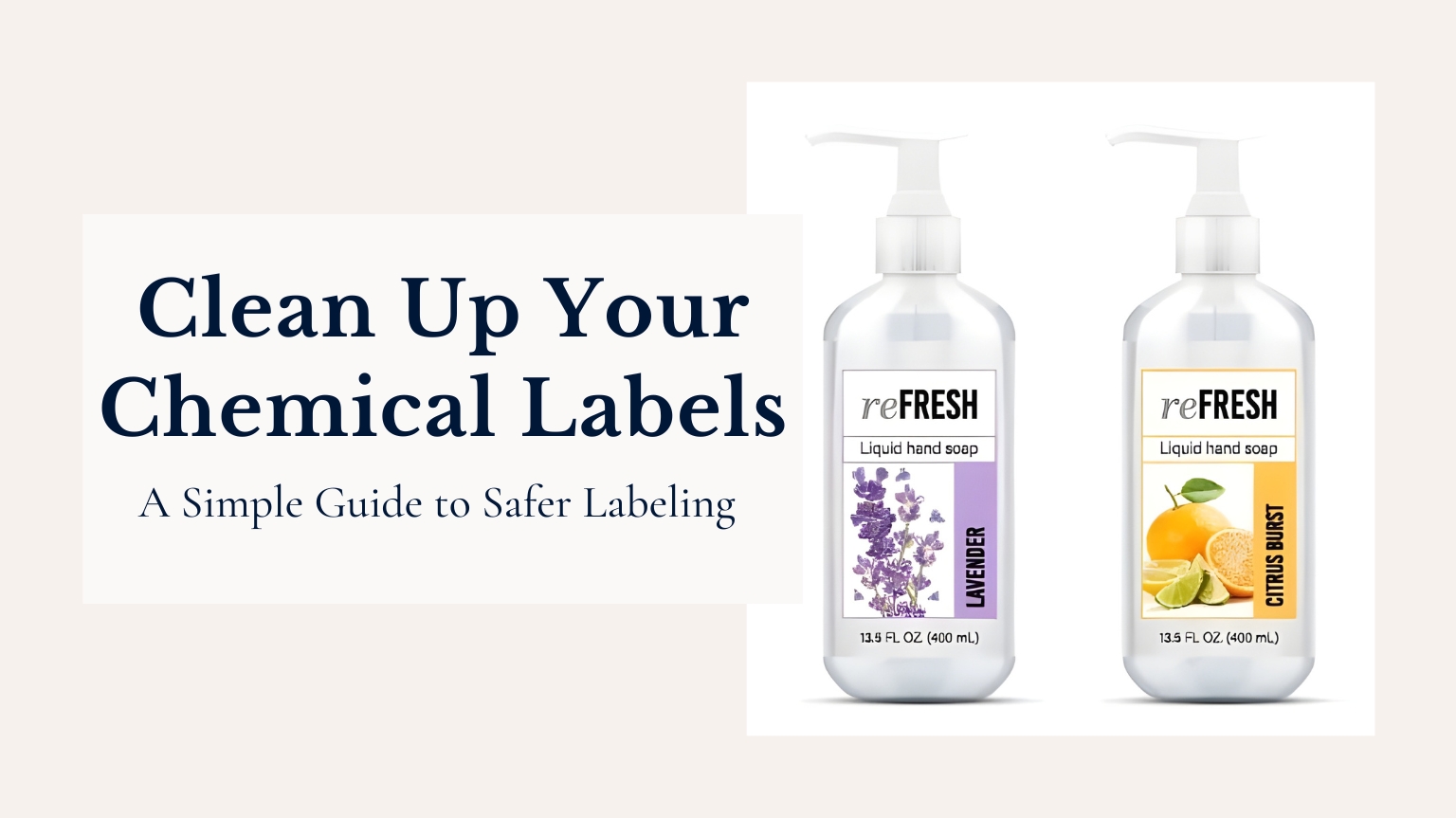
Clean Up Your Chemical Labels: A Simple Guide
Clear and accurate chemical labels are essential for safety—whether you’re working in a laboratory, warehouse, factory, or even a home workshop. Proper labeling prevents accidents, ensures regulatory compliance, and makes it easy for workers to identify hazards quickly. This simple guide will walk you through how to clean up, organize, and improve your chemical labels for a safer and more efficient environment.
Why Clean and Accurate Chemical Labels Matter
Chemical containers often stay in storage for long periods, causing labels to fade, peel, or become unreadable. Clear chemical labels help prevent:
- Misuse of hazardous substances
- Accidental exposure
- Spills and workplace injuries
- Non-compliance with safety standards like GHS
Updating your labels regularly ensures everyone can access the correct information instantly.
Simple Steps to Clean Up Your Chemical Labels
1. Identify and Remove Damaged Labels
Start by inspecting all chemical containers. Look for labels that are
- Torn
- Faded
- Smudged
- Peeling off
- Missing text
Any damaged chemical labels should be replaced immediately to maintain safety and clarity.
2. Use Standardized Label Formats
Following recognized labeling standards—such as GHS (Globally Harmonized System)—helps ensure consistency. A proper GHS-compliant chemical label typically includes:
- Product identifier
- Hazard pictograms
- Signal words (e.g., “Danger,” “Warning”)
- Hazard statements
- Precautionary statements
- Supplier information
Standard labels make hazard communication simple and universal.
3. Make Labels Waterproof and Durable
Chemicals may spill or evaporate, causing standard paper labels to warp or fade. Choose durable materials like:
- Waterproof vinyl labels
- Chemical-resistant adhesive stickers
- Laminated label overlays
Long-lasting chemical labels reduce the need for constant replacement and provide reliable safety information.
4. Organize Chemicals by Category
While cleaning up your labeling system, categorize chemicals based on:
- Hazard type (flammable, toxic, corrosive)
- Usage area
- Storage temperature
- Compatibility groups
Color coding is a great way to differentiate categories and make chemical labels instantly recognizable.
5. Train Your Team on Label Usage
Even the best chemical labels are ineffective if people don’t know how to read them. Conduct short safety training sessions to teach workers:
- How to decode hazard pictograms
- How to read precautionary statements
- How to store chemicals safely
- When to report damaged or missing labels
Team awareness improves safety and reduces risk.
Extra Tips for Maintaining Safer Chemical Labeling
- Schedule quarterly label inspections.
- Keep a digital inventory with label details.
- Use QR codes linking to Safety Data Sheets (SDS).
- Store labeling supplies in accessible areas.
- Avoid handwritten labels whenever possible.
These tips help keep your chemical labels clear, consistent, and compliant all year round.
Conclusion
Cleaning up your chemical labels is a small step that leads to major safety improvements. With standardized layouts, durable materials, and regular maintenance, you can ensure a safer workplace and minimize chemical-related accidents. Start organizing your labeling system today for better clarity and stronger compliance.